Esta es la breve historia de una técnica humilde adoptada por grandes maestros. Cuando contemplamos un linograbado, nos maravilla la fuerza de sus líneas y la textura orgánica de la tinta. Sin embargo, pocos saben que esta técnica nació de un invento doméstico: el suelo de nuestras casas. A mediados del siglo XIX, el linóleo se inventó como un revestimiento duradero y económico. No fue hasta el siglo XX cuando artistas de la vanguardia europea descubrieron que este material flexible (aceite de linaza, resina y corcho) era perfecto para esculpir. Al no tener veta como la madera, las gubias podían deslizarse con total libertad en cualquier dirección.
Aunque al principio se consideraba un material menor, grandes figuras lo elevaron a la categoría de arte. Artistas como Henri Matisse experimentaron con su fluidez, pero fue Pablo Picasso quien revolucionó la técnica en los años 50 al inventar el método de la «plancha perdida» o reducción. Consiste en tallar y estampar el primer color, para luego volver a tallar la misma plancha para el siguiente color, destruyendo el paso anterior. Un viaje sin retorno que requiere una precisión matemática y hace que las ediciones limitadas sean irrepetibles.
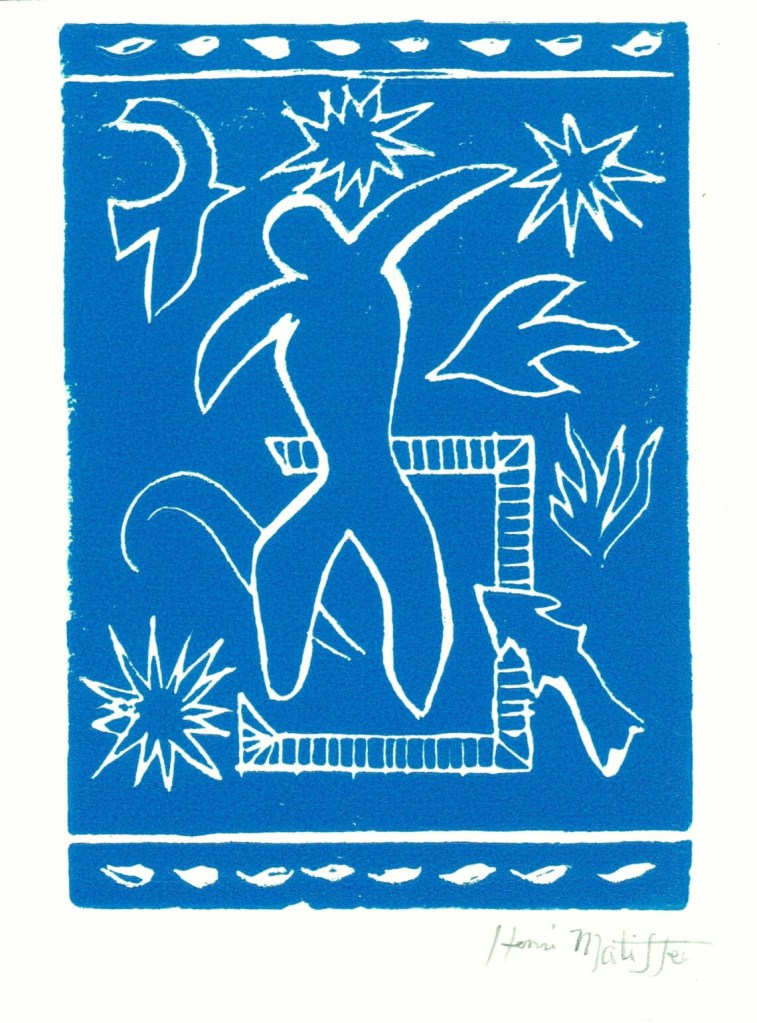
¿Conocías el humilde origen del linograbado y cómo Picasso desafió las reglas de la estampación? Saber que una obra nació de un bloque esculpido pacientemente a mano cambia por completo la forma de mirarla. En un mundo digital tan rápido, el linograbado nos obliga a parar y valorar el tiempo. En mi estudio de Barcelona, busco mantener viva esa conexión histórica en cada pieza: desde la fuerza mística de la colección Zodiac hasta los procesos de impresión en los que te manchas las manos de tinta y aprendes la técnica cada día.
English Version:
This is a brief history of a humble technique embraced by great masters. When we look at a linocut print, we marvel at the strength of its lines and the organic texture of the ink. However, few know that this technique was born from a domestic invention: home flooring. In the mid-19th century, linoleum was invented as a durable and affordable floor covering. It wasn’t until the 20th century that European avant-garde artists discovered that this flexible material (linseed oil, resin, and cork) was perfect for carving. Lacking the grain of wood, it allowed gouges to glide freely in any direction.
Although initially considered a lesser material, great figures elevated it to high art. Artists like Henri Matisse experimented with its fluidity, but it was Pablo Picasso who revolutionized the technique in the 1950s by inventing the «lost block» or reduction method. This involves carving and printing the first color, then carving the same block again for the next color, destroying the previous step. A point of no return that requires mathematical precision and makes limited editions truly unrepeatable.
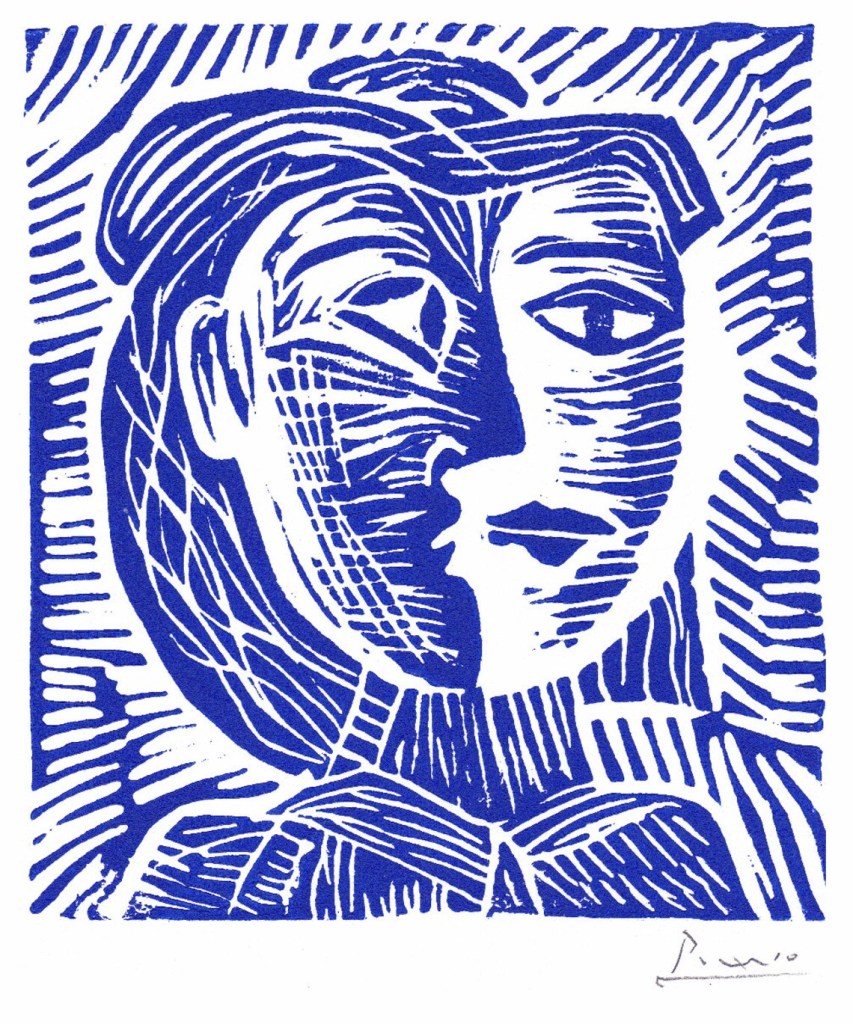
Did you know about the humble origins of linocut or how Picasso challenged the printing rules? Knowing that an artwork was born from a block patiently carved by hand completely changes how you look at it. In a fast-paced digital world, linocut forces us to slow down and value time. In my Barcelona studio, I strive to keep that historical connection alive in every piece: from the mystical strength of the Zodiac collection to the printing processes where you get your hands dirty with ink and learn the craft every day.
 aarongallen
Deja un comentario